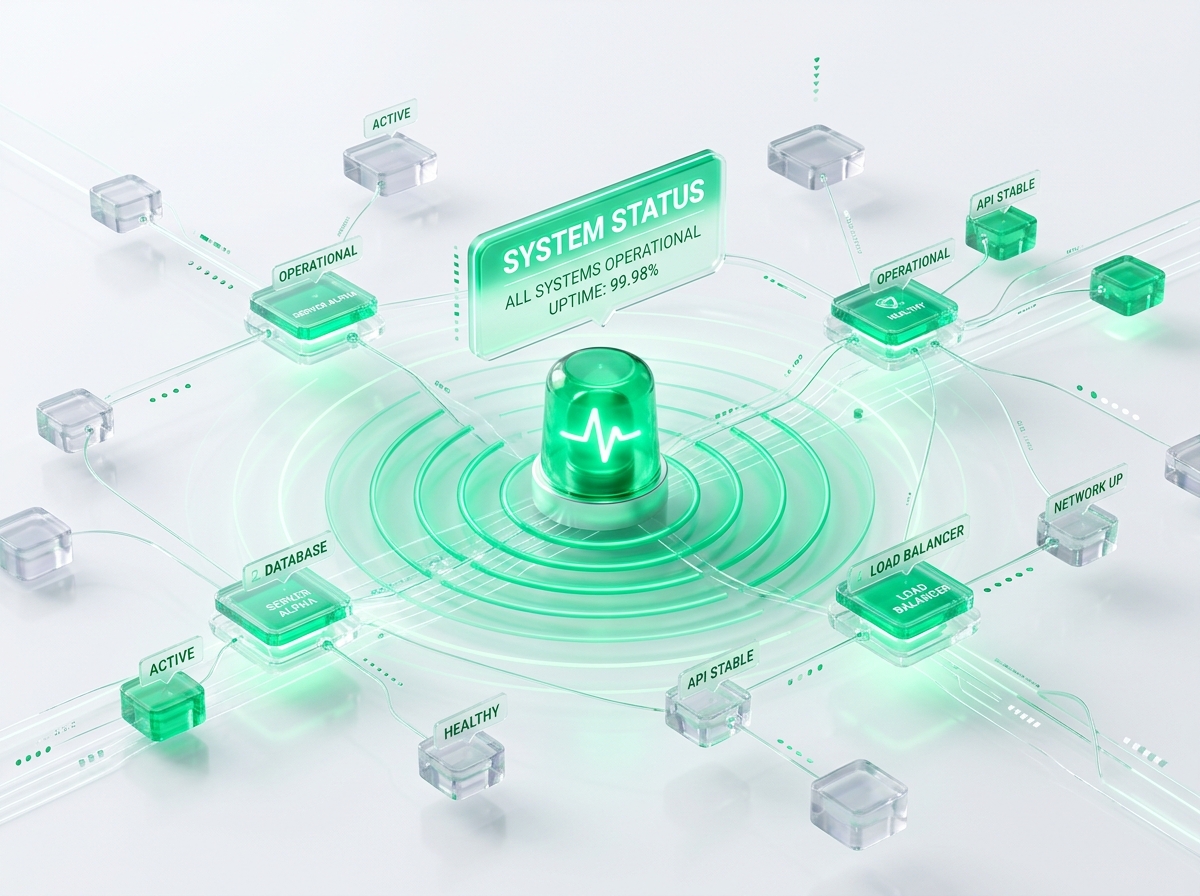
With global domain registrations surpassing 400 million, proactive WHOIS and DNS monitoring is no longer optional for modern SRE teams.

A recent Aussie mobile network outage proved that even a tiny jump backward in system time can crash enterprise infrastructure. Here is how SREs can protect their stacks.
Explore strategies for managing crontabs across multiple servers, preventing double-execution, and centralizing schedules.
Hosted.com recently highlighted essential domain registration features. But for DevOps and SRE teams, purchasing a domain is only the first step—proactive monitoring is where real reliability begins.
A recent WIPO ruling on reverse domain name hijacking highlights why DevOps and SRE teams must treat domain assets as mission-critical infrastructure.
A major AWS CloudFront outage recently disrupted prominent education and AI platforms, highlighting the critical need for third-party dependency monitoring and proactive incident communication.
Atom's proposed domain ownership verification protocol could streamline DNS management—but automated monitoring remains your first line of defense.
As bot scrapers like OpenClaw (Moltbot/Clawdbot) grow in popularity, SREs must adapt their monitoring strategies to protect critical background tasks and maintain uptime.
With the Certificate Authority market projected to reach $695M by 2035, managing SSL/TLS certificates at scale demands robust, proactive automation.
ManageEngine's new CA-agnostic automation highlights the industry push toward Zero-Touch Certificate Lifecycle Management. But how do SREs verify that automated processes actually succeed?
The Telstra outage highlights a critical truth for modern SREs: your architecture is only as reliable as your upstream telecommunication and cloud dependencies.
With the monitoring landscape shifting in 2026, finding the right Freshping alternative is about more than just uptime checkmarks—it's about building a resilient, transparent operations stack.
Unpacking the key strategies of resilient infrastructure design and how proactively managing background jobs, SSL certificates, and external dependencies protects against both malicious attacks and operational failures.
With the industry shifting toward a 47-day SSL/TLS certificate validity window, manual renewals are no longer viable. Here is how SREs can prepare.
ManageEngine's new zero-touch certificate automation highlights a critical SRE truth: automation is only as good as the monitoring verifying it.

Should you check your server externally or have your server report active heartbeats? The key differences and trade-offs.
Find out why 100% reliability is the wrong target, and how to use error budgets to balance development speed with uptime.
Learn the difference between Service Level Agreements, Objectives, and Indicators, and how to define them simply.
How to scale background execution threads, manage database connection pools, and design distributed task runners safely.
Ensuring serverless endpoints, cron routes, and form submissions don't fail silently. Best practices for Next.js monitoring.
Demystifying crontab syntax, special characters, and common scheduling mistakes in production.
How to handle retries, rate limits, and network errors when receiving external webhooks reliably.
The differences between log aggregation, APM, and heartbeat monitoring. Why silence in your logs can hide critical failures.
Daylight Saving Time shifts, server timezone mismatches, and how to schedule jobs reliably worldwide.
How small startups can implement Google's four Site Reliability Engineering signals without enterprise bloat.
Where background task management is heading and why heartbeats are still fundamental.
How to update database schemas in production without locking tables or taking your SaaS offline.
API key management and preventing lateral movement via background workers.
Why transparency builds trust with your SaaS users and how to design an effective status page.
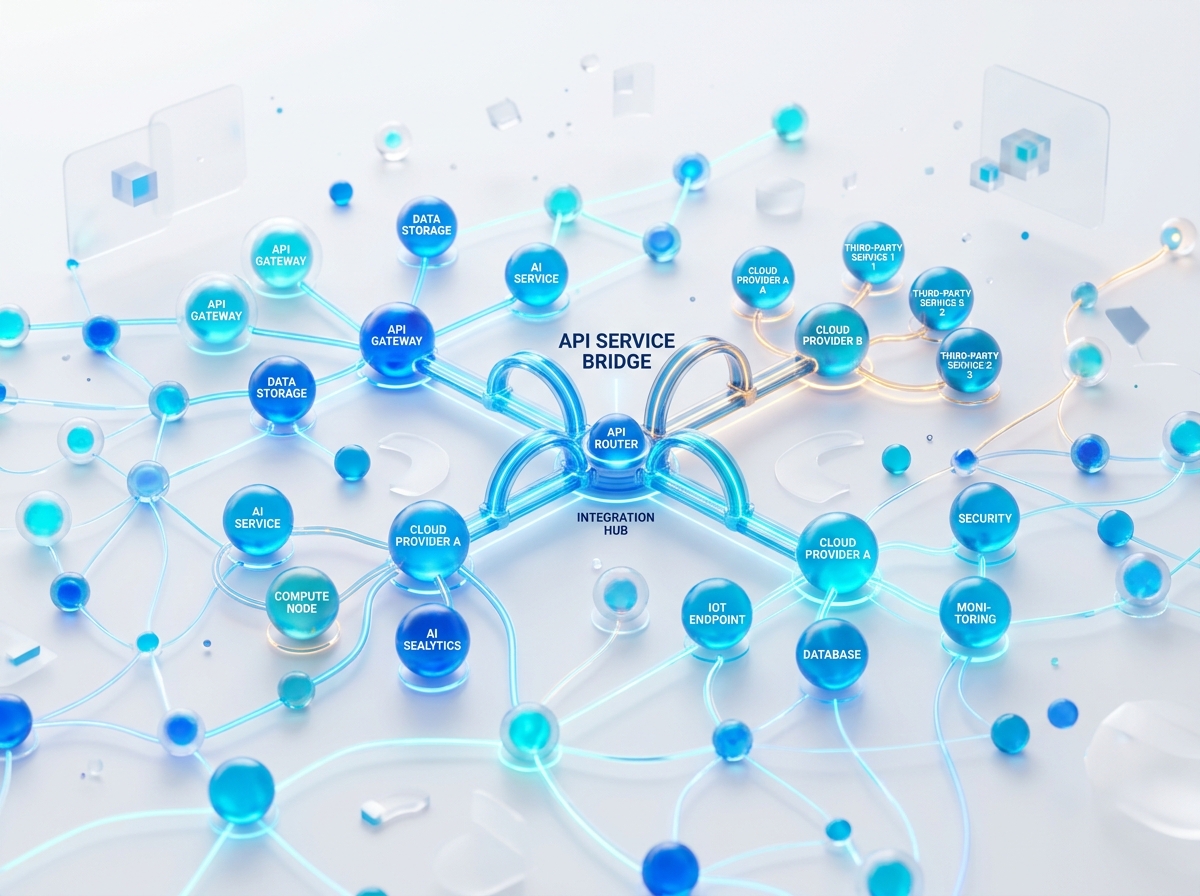
Using webhooks to trigger Kubernetes restarts or AWS Lambda fixes automatically.
How to prevent hidden processing blockages from ruining order fulfillment, email notices, and user satisfaction.
A cautionary tale about the financial impact of silent background task failures.
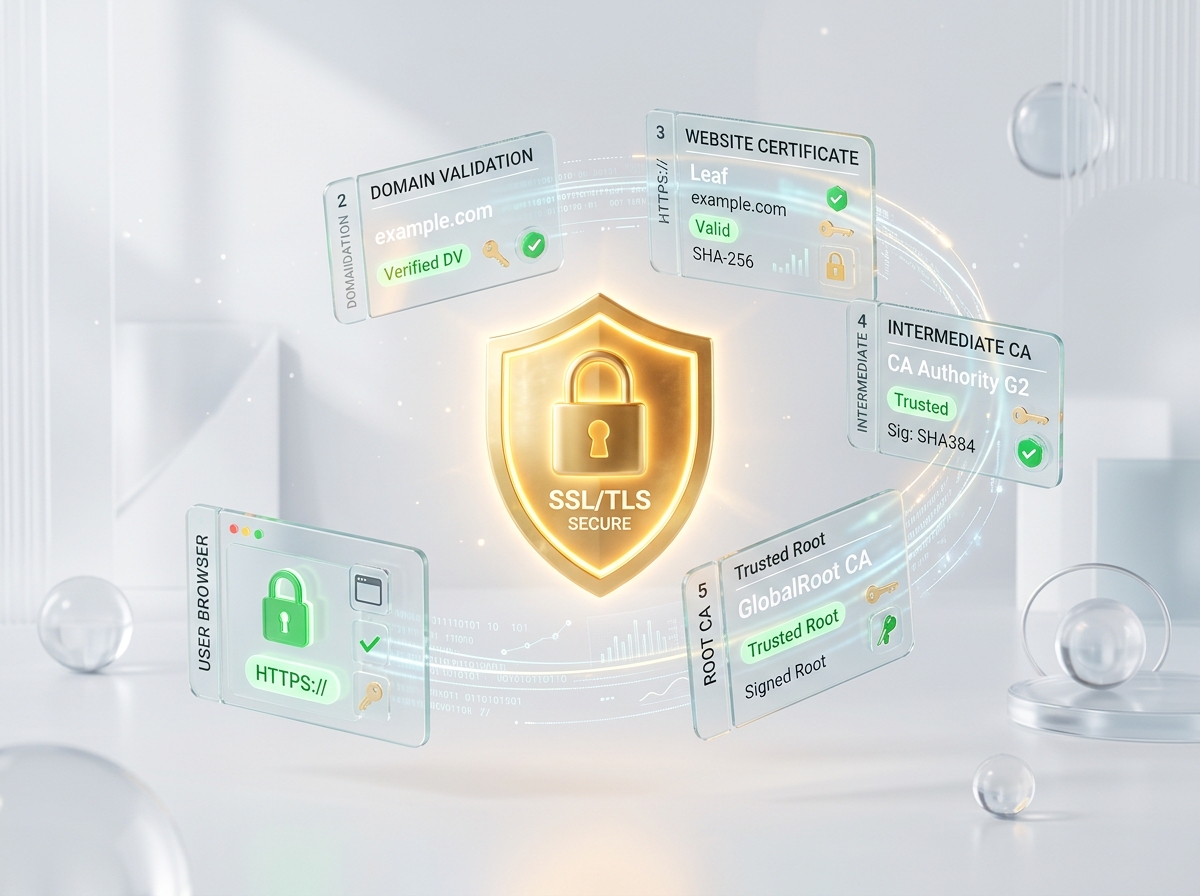
Why automated certificate renewals fail, how expired SSLs damage your SEO, and how to monitor them.
Evaluating the maintenance burden of DIY solutions vs purpose-built monitoring tools.
Ensuring that retries don't double-bill customers or corrupt data.
How to set grace periods and sequential alerts to maintain sanity in Ops.
Implementing watchdog and heartbeat patterns for distributed systems health.
A practical guide on when the complexity of a job queue (like Celery or BullMQ) is finally worth the overhead.
How jobs that don't run at all are more dangerous than jobs that error out. Why silence isn't always health.
Defining our mission to provide the best DevOps and SRE content to help you build more resilient systems.
An overview of the expanding Rabbit SaaS ecosystem and our mission to provide end-to-end visibility for the modern web.
Official launch of the CronRabbit "Dead Mans Switch" monitoring platform, designed to eliminate silent failures in your scheduled tasks.