SRE Lessons from the TruStage Cybersecurity Lawsuit: Managing Third-Party Dependency Risk
A recent cybersecurity incident involving insurance and fintech provider TruStage (formerly CUNA Mutual Group) has escalated into a legal battle, with a credit union filing a lawsuit over the resulting disruptions. The lawsuit underscores a critical, often-overlooked challenge in modern Site Reliability Engineering (SRE): the operational vulnerability of relying heavily on third-party SaaS and infrastructure vendors.
The Operational Reality of Third-Party Dependencies
In today’s hyper-connected ecosystem, no enterprise operates in a vacuum. Financial institutions, SaaS platforms, and tech companies rely on hundreds of external APIs, identity providers, and specialized service platforms to run daily operations. When a major vendor like TruStage suffers a cyber incident or outage, the effects cascade immediately to all dependent clients, leading to broken workflows, transaction failures, and severe reputational damage.
From an SRE perspective, a third-party outage is still your outage to your end-users. Failing to proactively monitor, detect, and isolate vendor failures is a significant risk to overall system reliability.
Mitigating Dependency Risk with Rabbit SaaS
To prevent silent failures and maintain operational resilience during vendor-related incidents, SRE teams must implement proactive monitoring and transparent communication strategies:
-
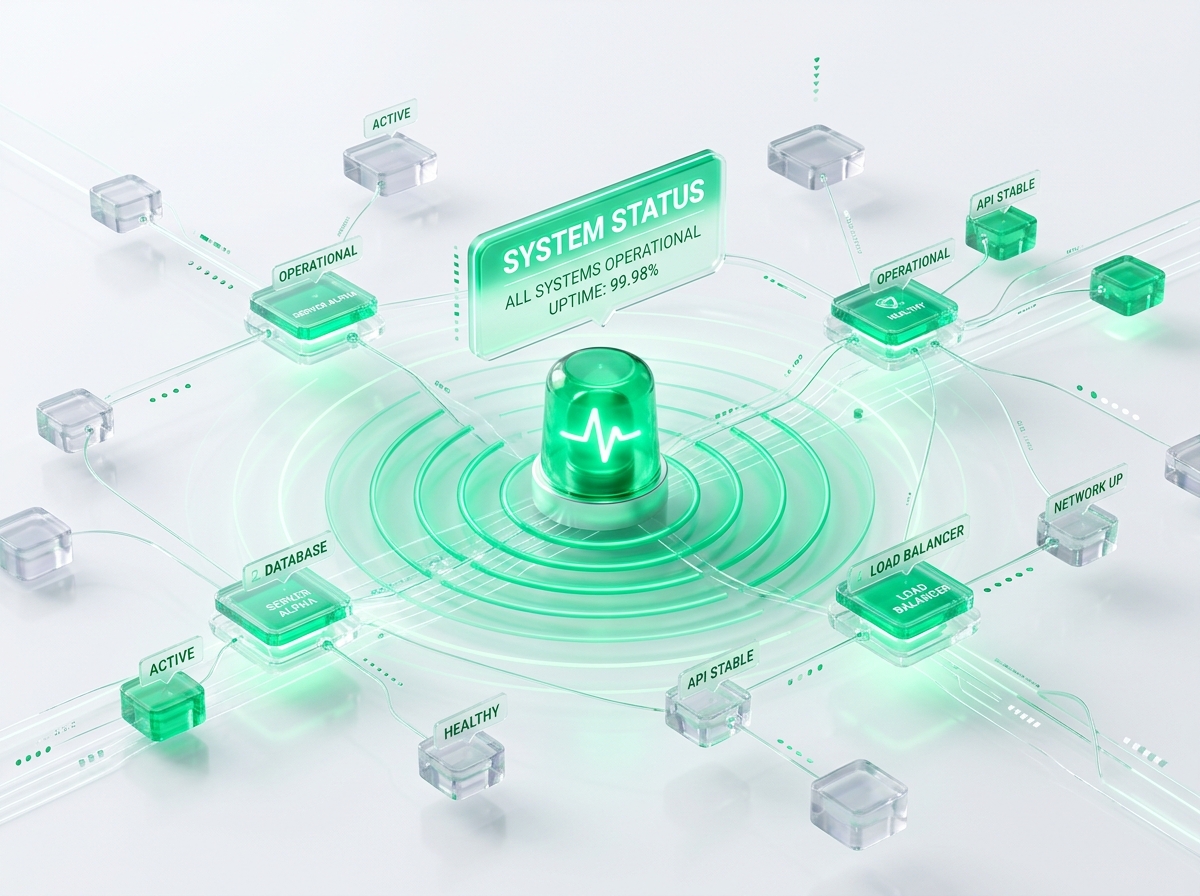
Continuous Vendor Monitoring with CloudStatusHQ: Instead of waiting for customer complaints or manual status page checks during an incident, CloudStatusHQ aggregates health status and alerts for third-party vendor dependencies in real time. By integrating vendor status feeds directly into your incident response systems (like Slack, PagerDuty, or Microsoft Teams), your engineering team can immediately identify if an issue is internal or stems from an upstream dependency, dramatically reducing Mean Time to Identification (MTTI).
-
Transparent Incident Communication with Status Navigator: When a third-party vendor outage impacts your services, keeping your users in the dark escalates panic and floods support desks. Status Navigator allows you to host beautiful, custom-branded status pages. During an upstream incident, SREs can quickly broadcast updates to customers, acknowledging the external vendor issue and outlining the mitigation steps being taken.
SRE Best Practices for Supply Chain Resilience
- Map Your Dependencies: Keep a living inventory of all critical external APIs and SaaS tools.
- Implement Circuit Breakers: Design your software architecture to degrade gracefully. If an external API is down, ensure your system can bypass it or queue the requests rather than crashing entirely.
- Set Up Real-Time Aggregation: Use dedicated status aggregators like CloudStatusHQ to bypass status-page fatigue and keep a single source of truth for third-party health.
Source Link
news.google.com