Thursday, Aug 6, 2026, 03:00 PM
Claude Outage Hits 5h 44m: Managing Downstream Risk in the AI Era
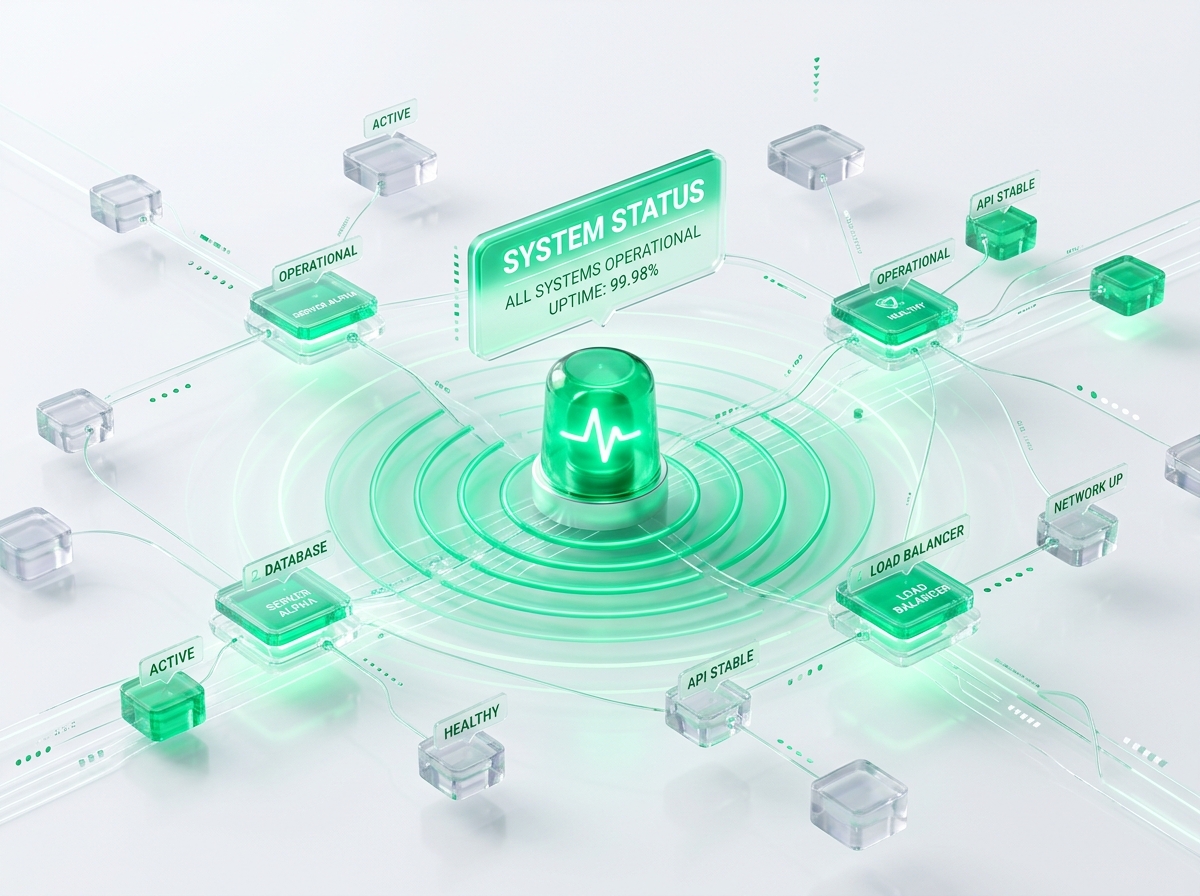
When Anthropic's Claude went offline for nearly six hours, thousands of integrated applications and automated workflows ground to a sudden halt. As AI models become core infrastructure components, an outage of this scale illustrates a critical modern DevOps vulnerability: dependency fragility.
In SRE philosophy, your platform's reliability is only as strong as its least stable dependency. When a major API goes down, it can cause thread exhaustion, cascade latencies, and lead to an outright collapse of your own frontend services.
SRE Best Practices for Downstream Failures
To safeguard your platform against external partner failures, systems must be built to degrade gracefully:
- Implement Circuit Breakers: Use software patterns that automatically block calls to a failing downstream service, preventing your application threads from hanging.
- Graceful Degradation and Fallbacks: If Claude is unreachable, design your system to automatically fall back to alternative LLMs or display a helpful, cached system response.
- Proactive Dependency Monitoring: You shouldn't rely on customer complaints to discover that an upstream vendor is down.
How Rabbit SaaS Solves This
- CloudStatusHQ: Our third-party vendor dependency health status aggregator keeps tabs on all your upstream APIs. Instead of wasting hours debugging your internal infrastructure, CloudStatusHQ immediately alerts your team the moment Anthropic or any other key vendor experiences degradation—enabling automated, programmatic fallbacks.
- Status Navigator: When an upstream giant goes down, your users will still look to you for answers. With Status Navigator, you can instantly communicate outages through clean, custom-branded status pages, maintaining user trust while your team mitigates downstream impacts.
Source Link
news.google.com