Lessons from 2026's Biggest Cloud Outages: Navigating Third-Party Failures
The CRN report detailing the biggest cloud outages of 2026 serves as a stark reminder: even the most robust hyperscale clouds experience critical failures. For Site Reliability Engineers (SREs), treating cloud provider uptime as a guarantee is a recipe for catastrophic, hard-to-diagnose downtime.
The SRE Challenge: Upstream Dependencies
When a major cloud provider or SaaS vendor goes down, your systems go down too. SREs often waste precious minutes debugging internal code before realizing the issue is actually upstream. To mitigate this, modern DevOps teams must adhere to two core SRE best practices:
- Continuous Dependency Auditing: Establish clear observability into the health of third-party APIs, infrastructure providers, and critical SaaS tools.
- Proactive Stakeholder Communication: Keep customers informed about downstream impacts immediately, preventing support queues from getting overwhelmed.
How Rabbit SaaS Keeps You Resilient
While you cannot prevent a major hyperscaler from failing, you can prevent the failure from blindsiding your team and your customers:
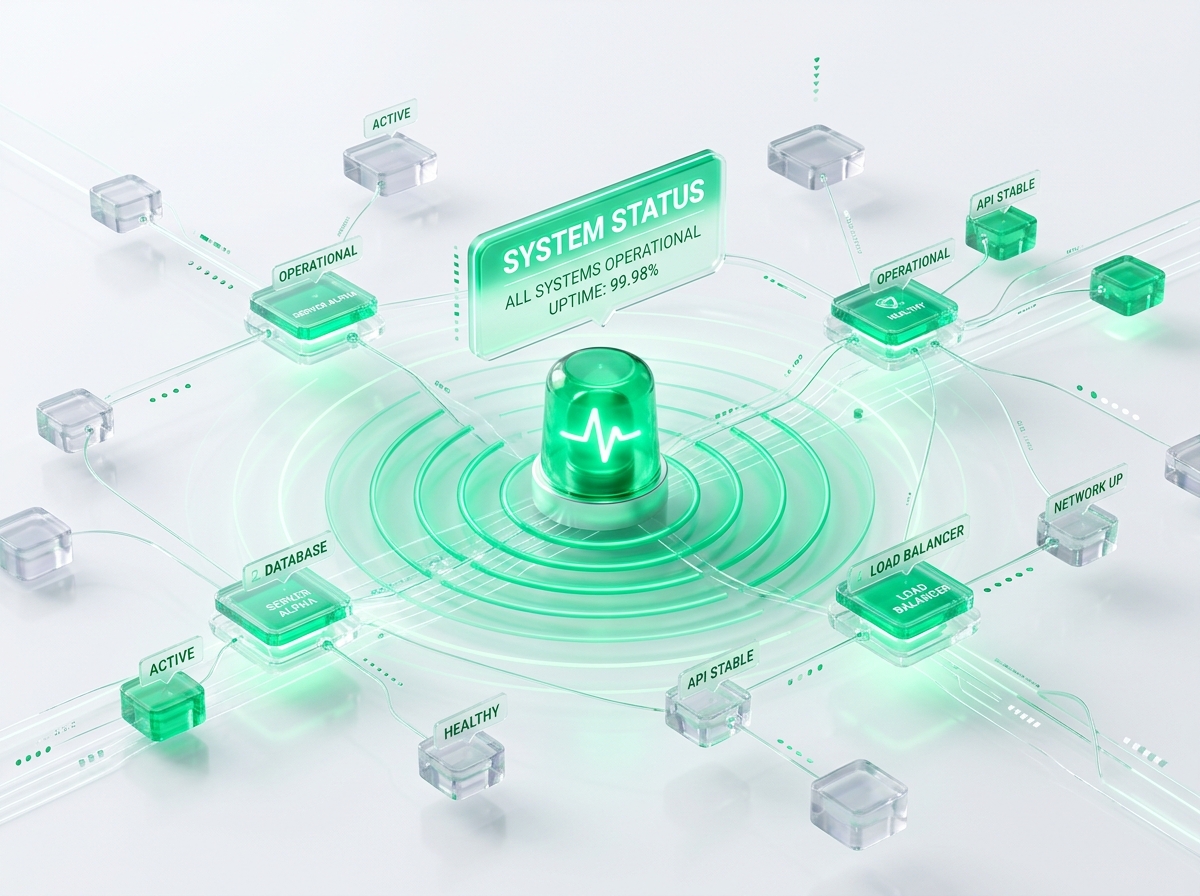
- CloudStatusHQ: Our automated aggregator tracks and displays the real-time health of all your third-party vendor dependencies on a single dashboard. Instead of manually checking multiple status pages, your SRE team gets instant alerts when an external provider experiences an outage.
- Status Navigator: When an upstream outage impacts your app, easily spin up custom-branded incident status pages to keep your clients informed. This maintains transparency and protects your brand reputation during stressful downtime windows.
Stay ahead of the next major cloud interruption by centralizing your dependency monitoring with Rabbit SaaS.
Source Link
news.google.com