
Demystifying Cloud Outages: What Amazon's Recent Downtime Teaches SREs About Vendor Dependencies
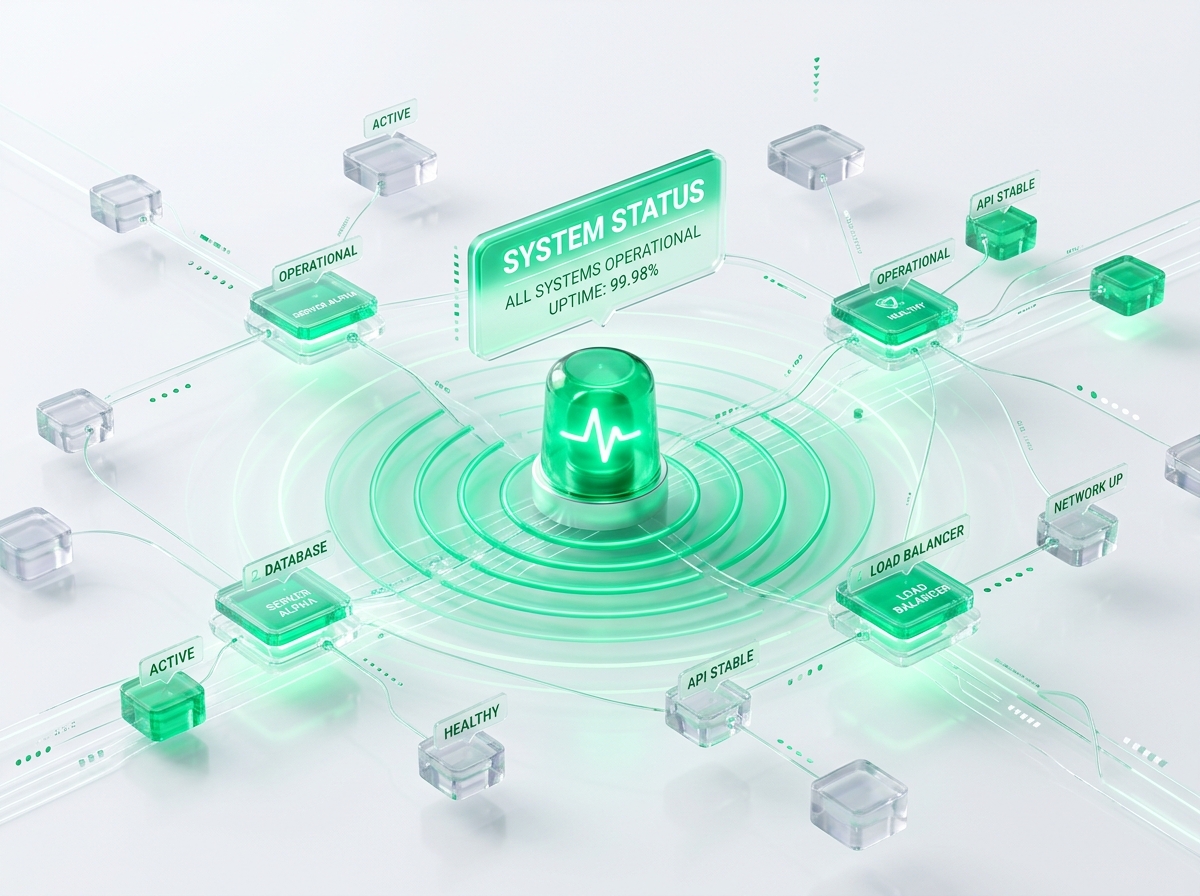
The digital landscape was recently reminded of the fragile nature of cloud-scale infrastructure following Amazon's website outages. As systems become more complex—driven by the massive computational demands of modern AI models and automated workloads—even tech giants are not immune to brief, high-impact disruptions.
For Site Reliability Engineers (SREs) and DevOps teams, an outage of this scale is a stark reminder of our reliance on upstream cloud providers. When Amazon experiences a hiccup, thousands of downstream SaaS applications and digital businesses face collateral damage. Relying purely on internal telemetry isn't enough; you must monitor your entire supply chain.
SRE Best Practices for Handling Upstream Outages
To build resilient systems that can weather third-party downtime, modern engineering teams should adopt these core SRE strategies:
- Continuous Vendor Monitoring: Don't wait for your users to report that an external API or hosting provider is down. Real-time tracking of vendor status is critical.
- Graceful Degradation: Design your architecture so that if a non-critical third-party dependency fails, your primary application remains functional.
- Transparent Communication: When downstream outages affect your users, proactively display your system status to maintain trust and reduce customer support volume.
How Rabbit SaaS Helps You Prepare
At Rabbit SaaS, we build tools that empower SREs to keep their infrastructure observable and resilient:
- CloudStatusHQ: This is your single source of truth for third-party vendor health. Instead of manually refreshing status dashboards during a crisis, CloudStatusHQ aggregates status data from dependencies like AWS, OpenAI, and GitHub, alerting you the moment they experience issues.
- Status Navigator: If an AWS outage impacts your core services, Status Navigator lets you spin up custom-branded incident status pages instantly. Keep your customers informed with real-time updates and maintain reliability transparency throughout any incident.
By combining proactive dependency tracking with automated incident communication, you can defend your uptime and keep customer trust intact.
Source Link
news.google.com