AI-Generated Code and the Silent Erosion of Production Performance
A recent discussion in the SRE community has highlighted a growing, subtle challenge for modern DevOps teams: performance regressions introduced by AI-generated code.
While AI assistants excel at writing boilerplate, tests, and "correct-enough" logic that easily passes unit tests and code reviews, they often struggle with scale. SREs are noticing a steady drift in production metrics—such as creeping P99 latency, increased CPU utilization, and doubled database query counts.
The Anatomy of an AI-Induced Regression
According to SREs on the ground, AI-generated code often introduces performance bottlenecks that are difficult to spot during standard static analysis or manual code reviews:
- Suboptimal Data Structures: Algorithms that perform perfectly on small local datasets but collapse under production scale.
- Database Connection & Batching Failures: Code that misses connection pooling or executes dozens of small queries instead of a single batched call.
- Unnecessary Abstractions: Readable but non-cache-friendly refactoring on latency-sensitive hot paths.
- Regressive Patterns: AI tools copying outdated or less-performant legacy patterns from the existing codebase, spreading poor practices.
Protecting Your Infrastructure with Rabbit SaaS
As delivery velocity increases, static analysis and traditional unit tests are no longer enough to guard against the subtle degradation of your production environment. Teams must rely on robust proactive monitoring to catch these issues before they impact end-users.
At Rabbit SaaS, we provide the guardrails necessary to keep your systems resilient:
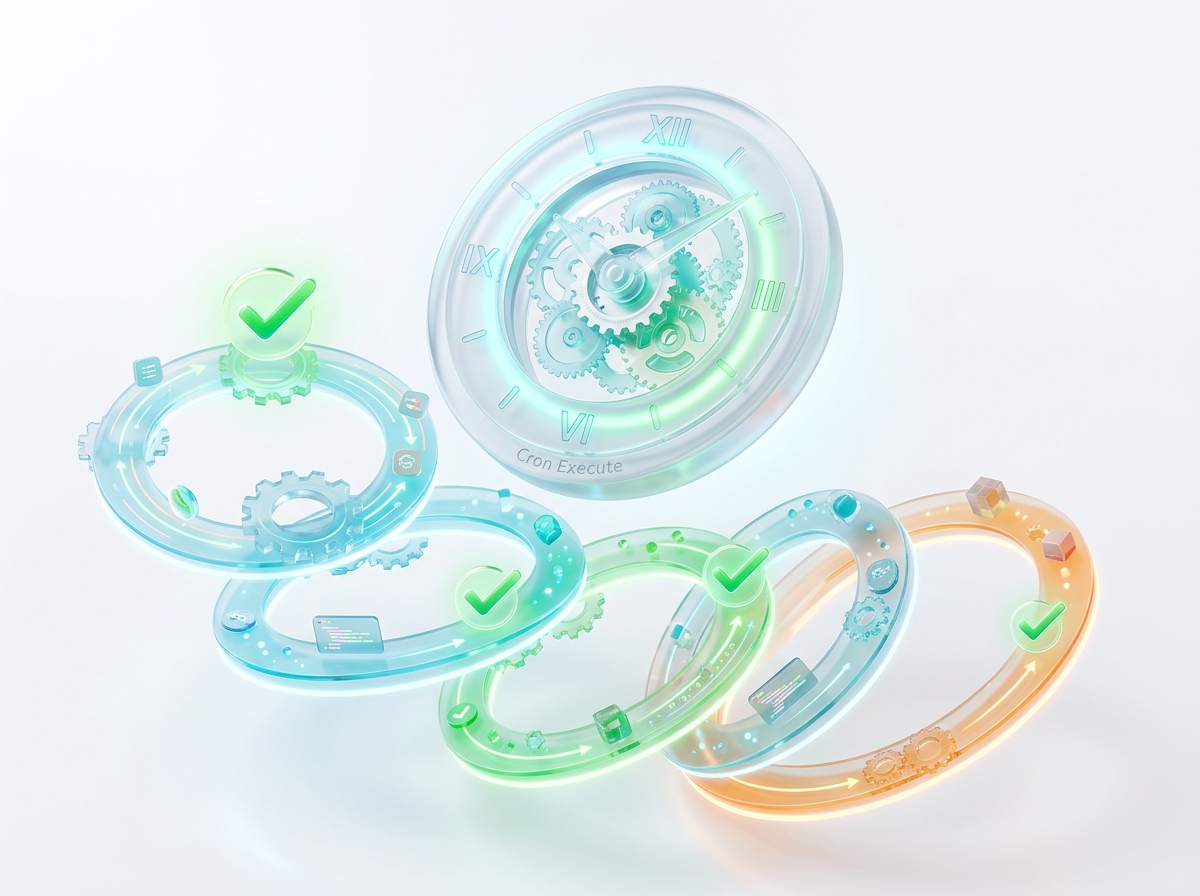
- Cron Rabbit (Cron Job & Background Task Monitoring): AI-generated scripts or background workers are highly susceptible to performance drift. A scheduled job refactored by AI might run fine initially but silently hang, timeout, or run out of memory when hitting production databases. Cron Rabbit monitors these background tasks via simple curl/ping heartbeats. If a background job fails to report in on time due to an AI-induced latency spike, you will know instantly.
- Status Navigator: When performance regressions do slip through and escalate into customer-facing degradation, maintaining trust is critical. Status Navigator lets you spin up beautiful, custom-branded status pages in seconds, keeping your users and stakeholders informed while your engineering team troubleshoots the bottleneck.
While AI-assisted coding is here to stay, it demands a stronger commitment to automated observability. By pairing faster shipping cycles with proactive monitoring, you can leverage AI safely without eroding your infrastructure's reliability.
Source Link
www.reddit.com