
Azure Reaches $100B Milestone: What Exponential Cloud Growth Means for Enterprise SREs
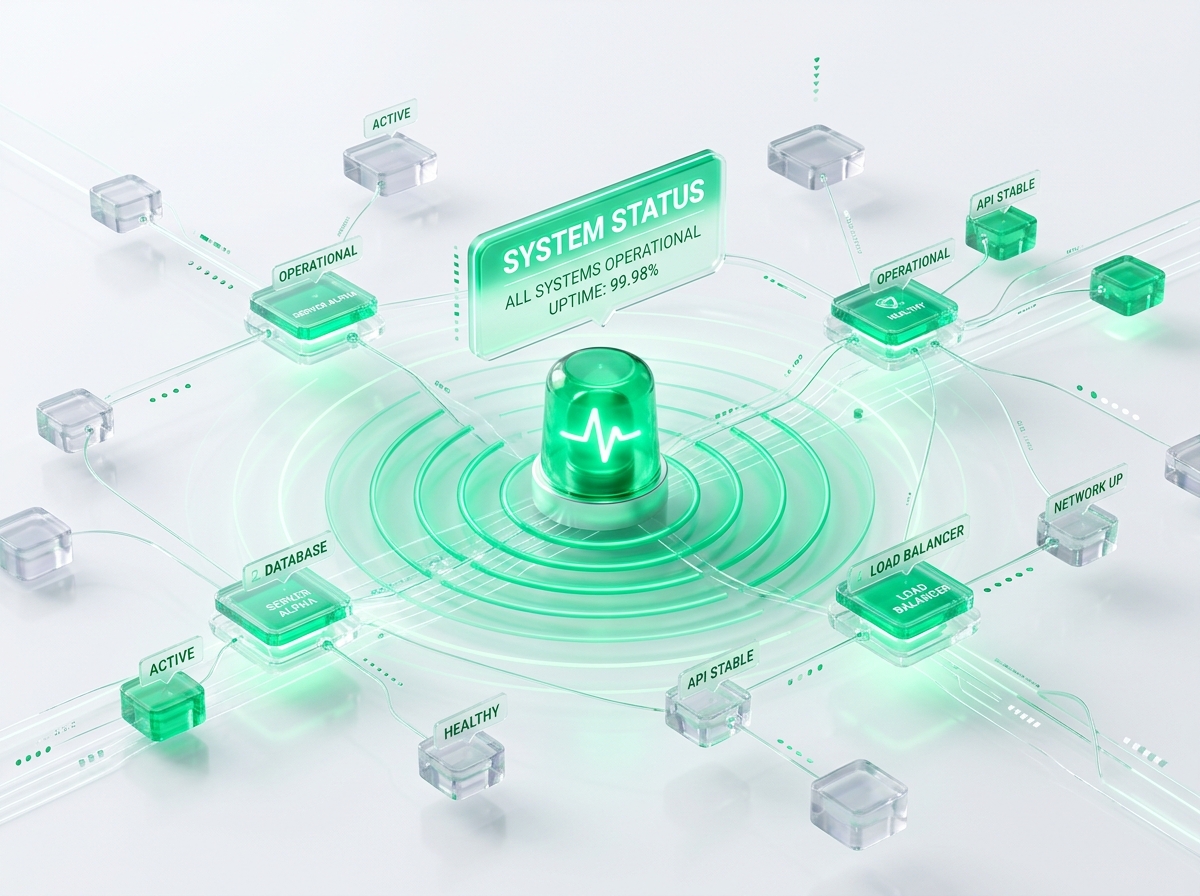
Microsoft's cloud business has crossed a staggering milestone, with Azure topping $100 billion in annual revenue for the first time. Driven by massive corporate investments in artificial intelligence, this historic scale-up is pushing Microsoft's infrastructure to its limits, requiring immense capital expenditure and aggressive physical data center expansion.
The SRE Angle: The Operational Reality of Hyper-Scale Cloud Growth
While a $100B run-rate is a financial triumph, for Site Reliability Engineers (SREs) and DevOps professionals, it represents a substantial shift in operational risk. As major cloud providers like Azure scale rapidly to accommodate resource-intensive AI models:
- Resource Scarcity & Capacity Constraints: Rapid growth can occasionally trigger localized capacity limits, impacting dynamic scaling policies and VM provisioning times.
- Increased Upstream Complexity: With more AI-driven services woven into core infrastructure, the dependency tree of standard enterprise applications becomes deeper and harder to map.
- Frequent Maintenance Windows: Rapid iteration on hyper-scale cloud backplanes often means more frequent service updates, raising the probability of minor regional outages or API degradations.
To combat these challenges, engineering teams must prioritize multi-cloud visibility and robust vendor monitoring.
How Rabbit SaaS Helps You Manage Upstream Risks
You cannot control Microsoft Azure's global infrastructure, but you can control how your organization reacts to its fluctuations. Rabbit SaaS offers the ultimate toolset to mitigate modern cloud dependencies:
- CloudStatusHQ: Our real-time dependency health status aggregator tracks Microsoft Azure, OpenAI, and hundreds of other major SaaS/IaaS providers. Instead of waiting for automated internal alarms or manual status page lookups, CloudStatusHQ alerts your team the second Azure suffers a regional or service-specific degradation.
- Status Navigator: If an Azure regional outage impacts your application, you need to communicate transparently with your users. Status Navigator allows you to launch custom-branded status pages, keeping customers informed and reducing support ticket strain during third-party incidents.
Source Link
news.google.com