AI Cloud Volatility: What Nebius's Market Dip Teaches SREs About Vendor Dependencies
The market landscape for AI infrastructure is shifting rapidly. Following a recent market update, AI cloud provider Nebius (NBIS) saw its stock dip by 9%, sparking comparisons to other heavyweight players in the AI and edge computing space like CoreWeave and Cloudflare. While market volatility is common in high-growth sectors, it serves as an important signal for SREs and DevOps leaders: our dependency on specialized, high-performance external infrastructure has never been higher.
As organizations scale large language models (LLMs) and high-throughput AI pipelines, they increasingly move away from generalized hyperscalers to specialized GPU clouds. However, this diversification introduces complex vendor risk.
The SRE Dilemma: Managing AI Infrastructure Dependencies
When specialized clouds face operational or financial turbulence, DevOps teams must ask themselves:
- Do we have real-time visibility into our third-party infrastructure providers?
- If our primary AI cloud suffers degraded performance, how quickly can we detect it and failover?
- How do we communicate downstream outages to our customers without manual panic?
How Rabbit SaaS Keeps Your Stack Resilient
To build a highly resilient architecture in the era of AI clouds, SREs need tools that provide instant transparency and automate incident response:
-
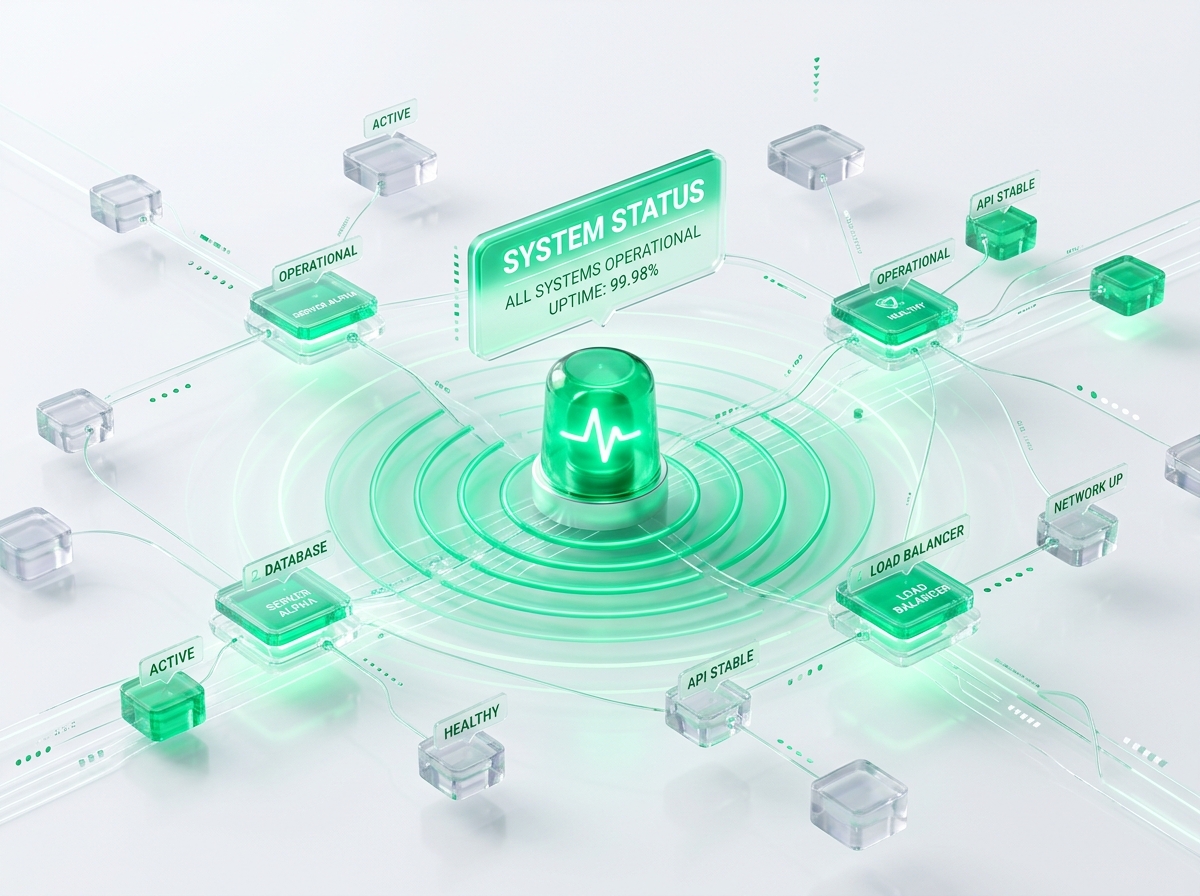
CloudStatusHQ: Instead of manually checking status pages or waiting for user complaints when your AI cloud provider (or downstream vendors like Cloudflare) stumbles, CloudStatusHQ aggregates your third-party vendor dependencies into a unified dashboard. You get instant alerts the moment an external cloud platform starts experiencing degradation, allowing your systems to route traffic to backup clusters proactively.
-
Status Navigator: If an infrastructure dip impacts your user-facing AI tools, trust is maintained through transparent communication. Status Navigator lets you host custom-branded, highly reliable incident status pages that keep your customers updated automatically, saving your engineering team from support ticket storms during critical incident responses.
Building a robust multi-cloud SRE strategy means accepting that third-party systems will fluctuate. By pairing infrastructure redundancy with intelligent monitoring tools from Rabbit SaaS, your team can turn external system turbulence into a non-event.
Source Link
news.google.com