Navigating Global Outages: What Cloudflare’s Incidents Teach Us About Dependency Reliability
A recent industry report published by Help Net Security highlights a detailed analysis from Cloudflare regarding the primary triggers of major internet outages. From configuration errors and BGP routing leaks to software bugs and upstream carrier failures, the modern web is highly fragile. Because so much of the global internet traffic flows through a handful of large-scale edge networks, a single configuration mishap can cause a massive domino effect, taking down thousands of downstream applications.
The SRE Perspective: Embracing Dependency Transparency
For Site Reliability Engineers (SREs) and DevOps teams, this reality underscores a critical architectural truth: your application is only as reliable as your weakest third-party dependency.
When major content delivery networks (CDNs), DNS providers, or cloud platforms suffer an outage, internal application monitoring will flag that your services are down. However, finding the root cause quickly and communicating with affected users during a crisis are two entirely different challenges.
How Rabbit SaaS Helps You Manage Upstream Failures
While you cannot prevent a global CDN or cloud provider outage, you can drastically reduce its impact on your team's sanity and your customers' trust with the right tooling:
-
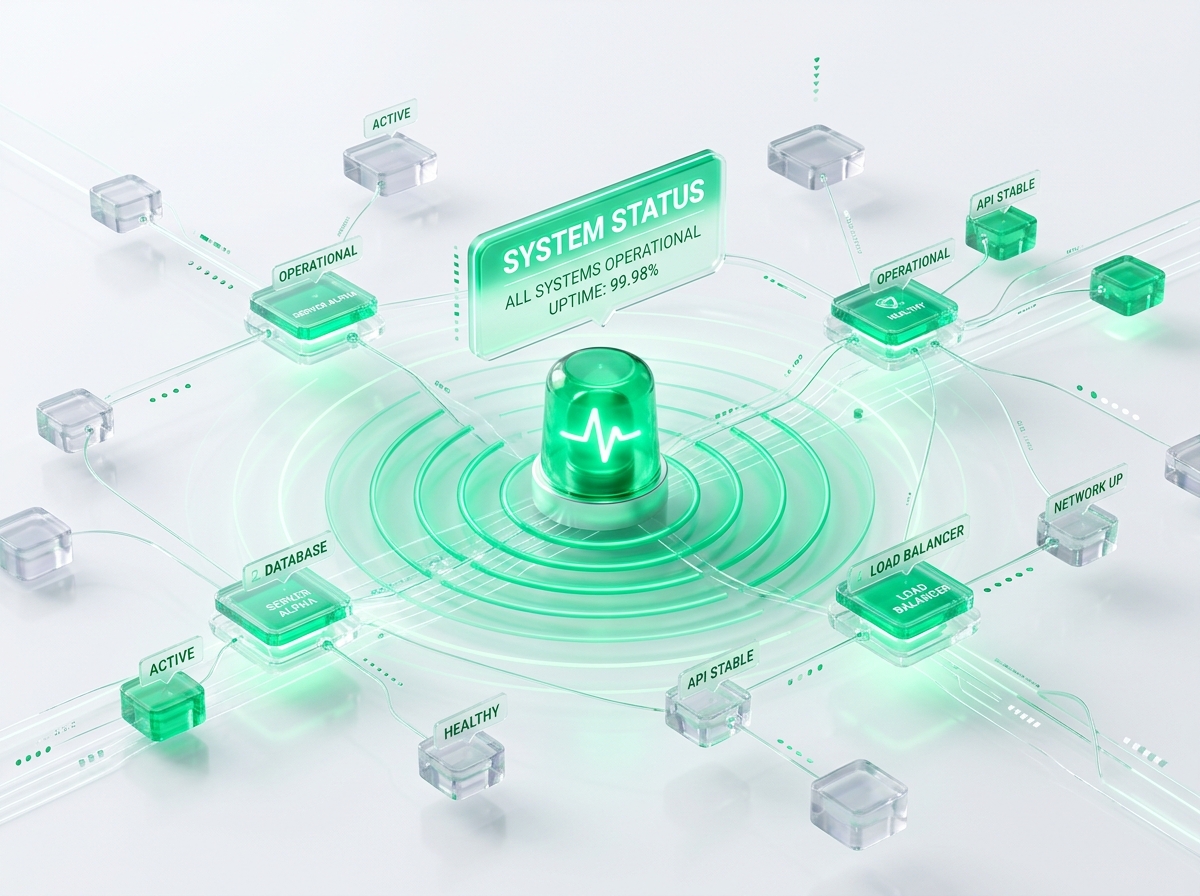
Aggregating Vendor Health with CloudStatusHQ Instead of manually checking multiple status pages when your services start failing, CloudStatusHQ aggregates third-party vendor dependency health status in real-time. It instantly tells your SRE team whether the issue lies in your internal code or if it's a widespread regional outage originating from AWS, Cloudflare, or other SaaS dependencies. This significantly cuts down Mean Time to Identification (MTTI).
-
Keeping Users Informed with Status Navigator During a major upstream outage, your support ticketing system can be quickly overwhelmed. By hosting an external, custom-branded status page with Status Navigator, you can proactively post incident updates. Because Status Navigator operates on isolated, resilient infrastructure, your status page remains online even if your primary hosting provider is completely down, keeping your communication channels transparent and reliable.
Building a resilient engineering culture means planning for failure. By decoupling your status communications and actively tracking vendor dependencies, your team can weather any internet-wide storm with confidence.
Source Link
news.google.com