AI Cloud Volatility: Why SREs Must Proactively Track Upstream Dependencies
The landscape of cloud infrastructure is rapidly shifting. A recent 9% dip in Nebius (NBIS) stock—and its subsequent comparison to major players like CoreWeave and Cloudflare—highlights the massive growth and inherent volatility of specialized AI cloud platforms. As modern engineering teams increasingly split their workloads between traditional cloud hosts, specialized GPU-as-a-service providers, and edge CDNs, dependency management has become a critical operational bottleneck.
The SRE Challenge: High-Complexity Dependency Chains
When your application leverages a mix of traditional cloud compute, specialized AI training clusters (like Nebius or CoreWeave), and edge delivery networks (like Cloudflare), a failure in any single link of this chain can degrade your user experience. SREs can no longer afford to monitor only internal microservices; they must have instantaneous visibility into upstream vendor health.
How Rabbit SaaS Keeps You Resilient
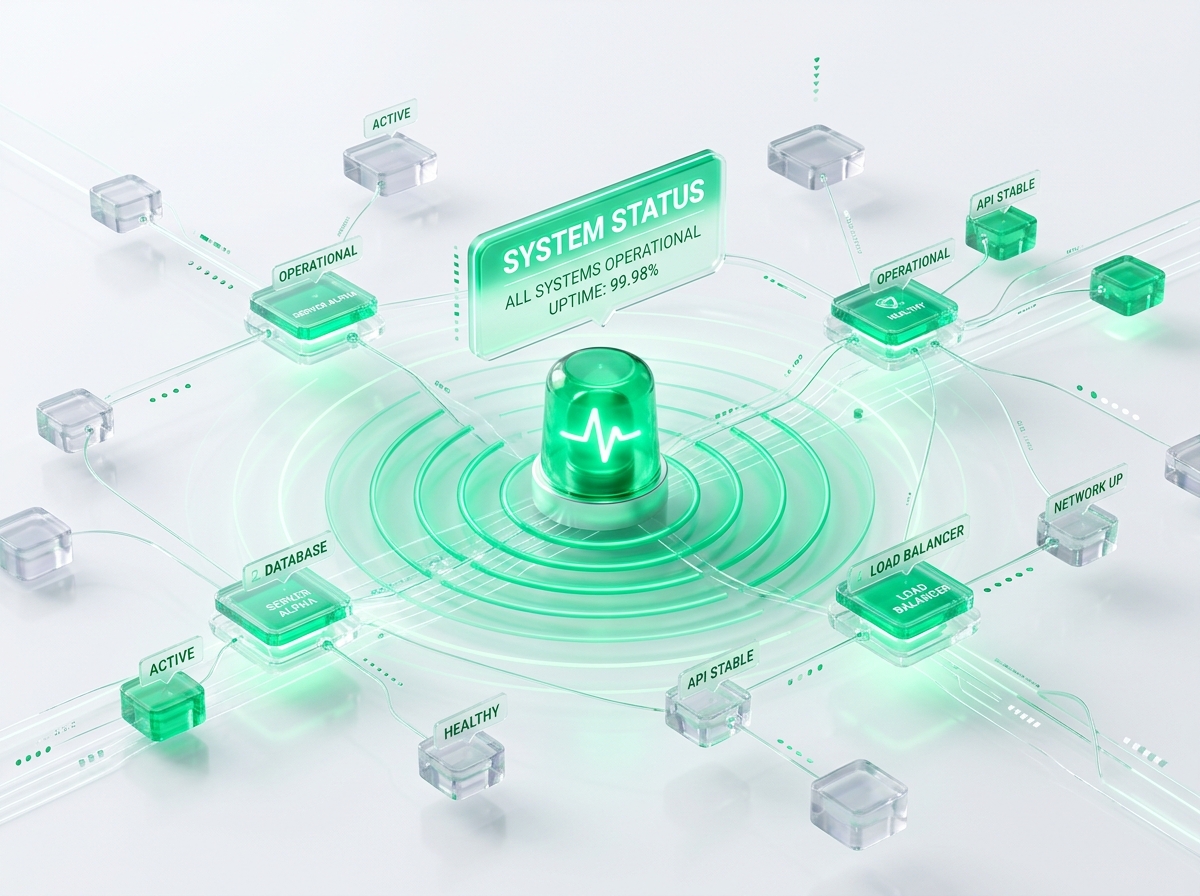
- CloudStatusHQ: Instead of manually checking status pages for different AI hosts, CDNs, and API providers, CloudStatusHQ aggregates all your third-party vendor statuses into a single, real-time dashboard. If Nebius, CoreWeave, or Cloudflare experiences an outage, your team is alerted instantly—before your customers notice.
- Status Navigator: When upstream vendor outages do impact your application, transparency is key. Status Navigator allows you to launch custom-branded incident status pages to keep your clients informed, reducing support ticket volume and maintaining brand trust.
By centralizing dependency monitoring and automating incident communication, Rabbit SaaS ensures that even when the AI cloud market undergoes sudden shifts, your system reliability remains rock-solid.
Source Link
news.google.com