Beyond the Alert: Resolving the Friction in Incident Response
A recent industry discussion among SREs and SOC analysts highlighted a persistent challenge in modern operations: detection is rarely the bottleneck. Instead, the real delays occur after an alert is triggered. Responders frequently struggle with manual investigation, identifying service owners, coordinating cross-team remediation, and verifying fixes.
The Post-Alert Bottlenecks
According to industry practitioners, the hours following an alert are often lost to:
- Manual Triage & 'Is it Us?': Determining whether an alert is caused by internal code changes or a failure in an upstream cloud vendor.
- Communication Overhead: Manually drafting updates for internal stakeholders and external clients instead of focusing on the technical fix.
- Ownership Confusion: Routing issues to the correct engineering group while maintaining a clear timeline of the incident.
Overcoming Response Friction with SRE Best Practices
To reduce Mean Time to Resolution (MTTR), organizations must move away from ad-hoc communication and manual dependency checks. Rabbit SaaS offers targeted solutions designed to eliminate these exact friction points:
-
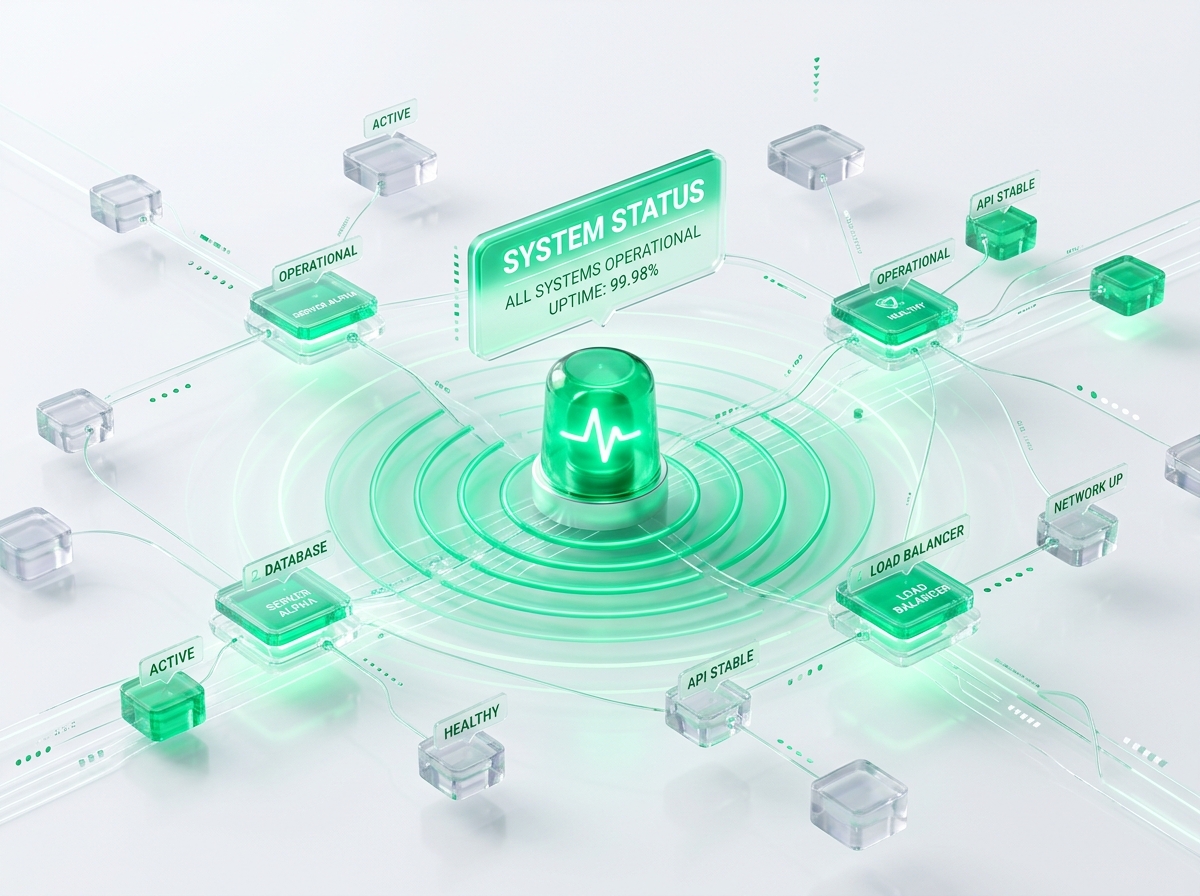
Eliminate Upstream Blame Games with CloudStatusHQ Before wasting hours debugging internal infrastructure, teams need to know if the issue lies with a third-party API or cloud provider. CloudStatusHQ aggregates real-time health status from all your external vendors into a single dashboard. This immediately rules out or confirms external dependencies, eliminating manual triage loops.
-
Streamline Communications with Status Navigator Instead of manual email chains and frantic chat channels, Status Navigator allows SRE teams to deploy custom-branded incident status pages. This centralizes incident status tracking, automates stakeholder notifications, and ensures that everyone—from support to leadership—has real-time visibility without distracting the engineers working on the remediation.
By automating dependency tracking and standardizing incident communications, SRE teams can bypass the post-alert friction and move straight to resolution.
Source Link
www.reddit.com