AWS us-east-1 Outage Highlights the Critical Need for Dependency Visibility and Communication
On the heels of a major cloud disruption, Amazon Web Services (AWS) resolved an outage impacting its critical North Virginia (us-east-1) data centers. The incident, triggered by a localized utility power loss, affected multiple core services and downstream applications that rely on AWS's largest region.
For Site Reliability Engineers (SREs) and DevOps teams, this event is a stark reminder of the "blast radius" inherent in modern cloud dependencies. When a major provider like AWS experiences a localized failure, it triggers a cascade of failures across the global SaaS ecosystem.
SRE Best Practices: Managing Third-Party Risk
When cloud infrastructure fails, your response strategy dictates how your customers perceive your reliability. Two core pillars of SRE are essential here:
- Proactive Dependency Monitoring: You cannot fix an AWS power outage, but you can detect it immediately. SRE teams must have real-time visibility into their cloud providers and API dependencies to quickly isolate infrastructure faults from application bugs.
- Transparent Incident Communication: When your application degrades due to an upstream cloud outage, keeping your customers in the dark destroys trust. Teams need automated, reliable status pages that are hosted independently of their primary cloud infrastructure.
How Rabbit SaaS Helps You Prepare
At Rabbit SaaS, we build tools that empower SREs to navigate complex cloud outages gracefully:
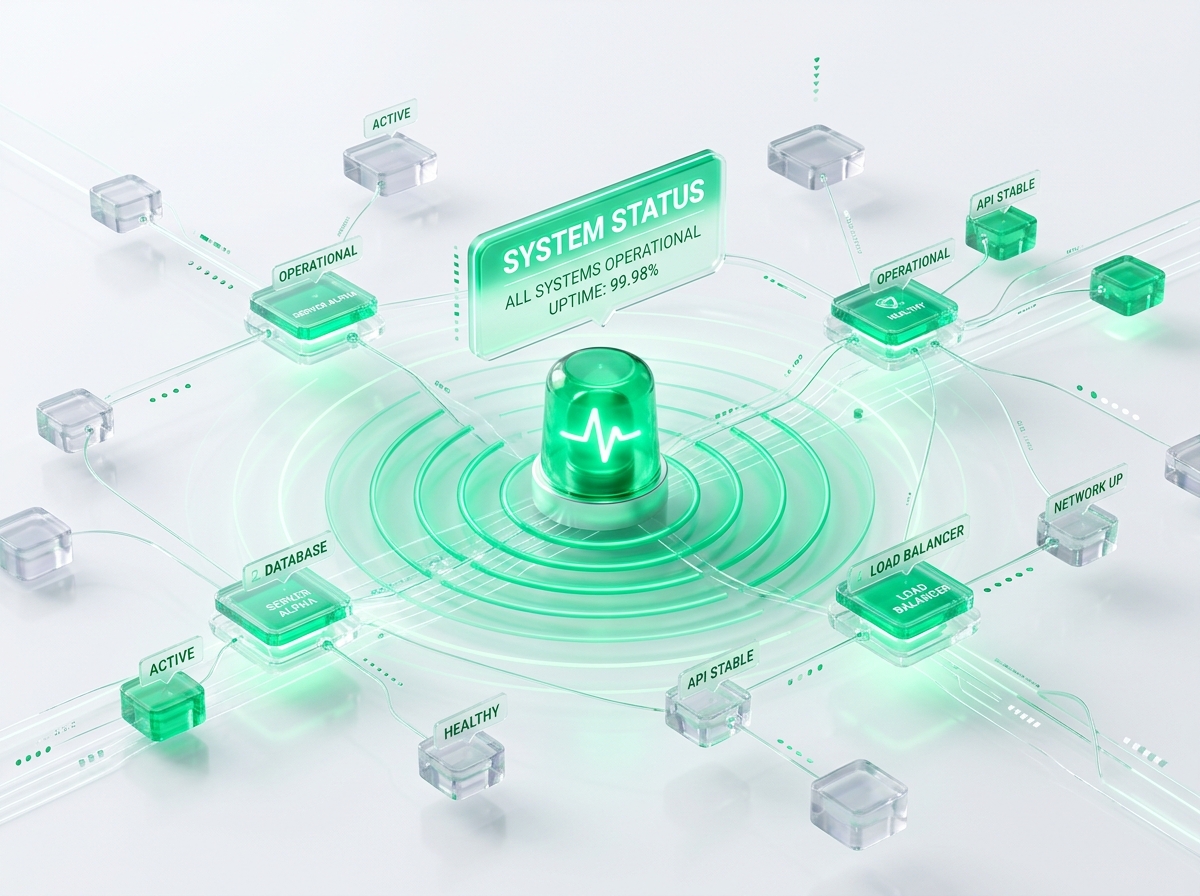
- CloudStatusHQ: Our third-party vendor dependency aggregator tracks the real-time health of cloud giants like AWS, Google Cloud, and Azure, as well as critical SaaS platforms. Instead of digging through multiple status dashboards during an active incident, CloudStatusHQ brings all dependency telemetry into a single, unified view.
- Status Navigator: If an AWS outage degrades your application, Status Navigator lets you spin up beautiful, custom-branded status pages hosted safely outside your primary cloud provider. You can keep your users informed, deflect support tickets, and build long-term trust through transparent communication.
By combining external dependency tracking with robust, independent incident communication, DevOps teams can mitigate the impact of cloud outages before they turn into customer churn.
Source Link
news.google.com