
Beyond Alerts: Why SRE Demands Proactive Incident Response, Not Just Detection
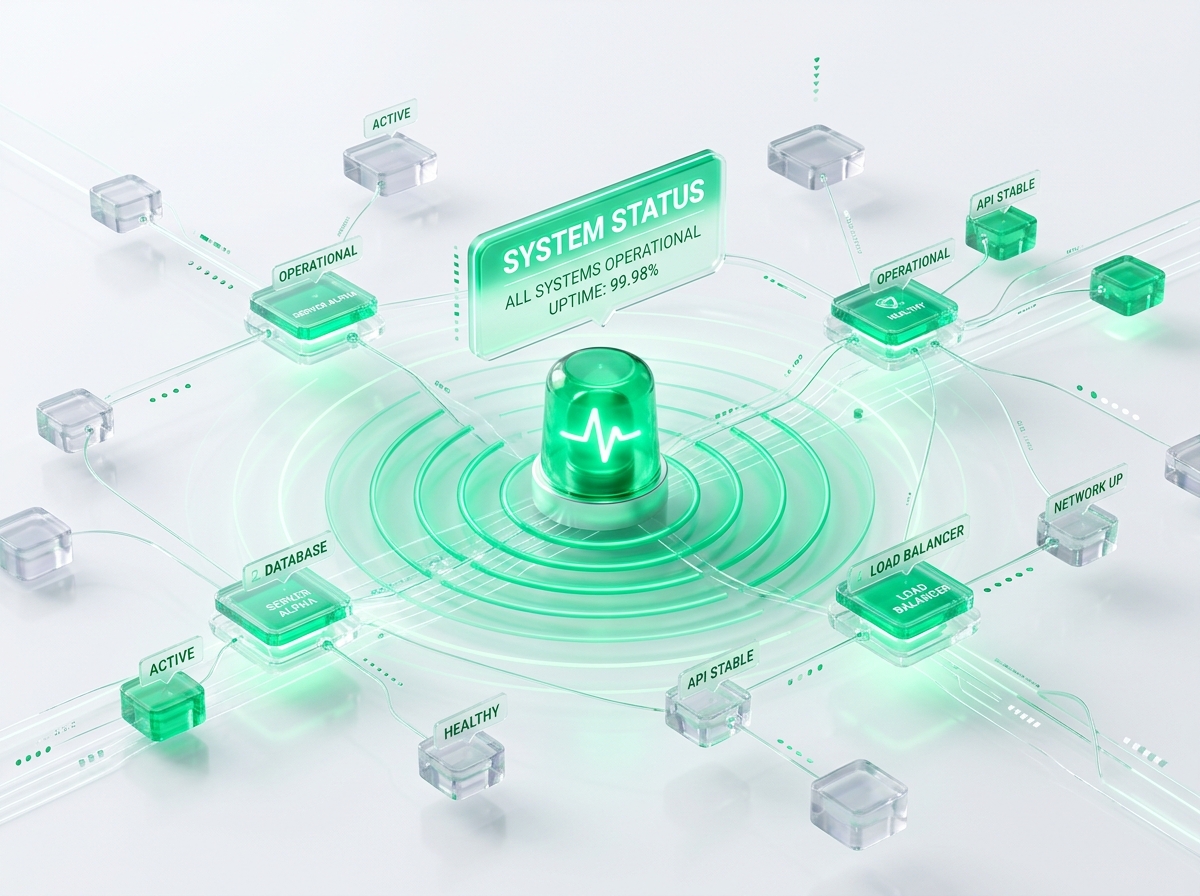
A recent industry report by MSSP Alert highlights a fundamental shift in modern cybersecurity: detection is no longer enough. In an era where malicious actions and operational failures propagate in seconds, organizations must transition from passive alerting to active, real-time response strategies.
In the world of Site Reliability Engineering (SRE) and DevOps, this principle holds equally true. Simply receiving an alert that a service has failed is too late—by then, your users have already experienced downtime. Resilient engineering demands a combination of proactive, automated monitoring and coordinated incident communication.
Transitioning from Detection to Proactive Mitigation
To build a highly resilient infrastructure that values active response over simple detection, SRE teams must implement specialized safeguards across every layer of their external surface area:
- Automate SSL Lifecycle Management: Don't wait for your browser to throw an invalid certificate error. Certificate Guardian proactively monitors SSL/TLS certificate expiration dates and scans Certificate Transparency (CT) logs, giving your team weeks of lead time to deploy new credentials before an outage occurs.
- Secure the DNS and Registrar Layer: Unauthorized DNS changes or surprise domain expirations can drop your entire online presence instantly. Using Domain Audit HQ, you can monitor WHOIS records, DNS configurations, and domain status continuously to prevent domain hijacking or configuration drift.
- Standardize Incident Communication: When a critical event does bypass your defenses, your response must be immediate. Status Navigator allows you to launch custom-branded, highly reliable incident status pages. This ensures your customers remain informed and your support lines clear, transforming an active incident into a structured, well-communicated response.
By equipping your DevOps team with specialized, proactive tools, you shift your engineering culture from reactive firefighting to automated, reliable defense.
Source Link
news.google.com