Why Maximum Tolerable Downtime is the SRE Metric That Matters Most
In business continuity and disaster recovery, Maximum Tolerable Downtime (MTD) stands as the ultimate threshold. As highlighted in a recent TechTarget analysis, MTD is not just an IT metric; it is a critical business boundary defining the absolute maximum duration a business process can be disrupted before the organization faces irreversible financial or operational harm.
The SRE Perspective: Mapping MTD to SLOs
For Site Reliability Engineers (SREs) and DevOps teams, MTD provides the baseline for defining Recovery Time Objectives (RTO) and Recovery Point Objectives (RPO). While RTO defines how quickly you plan to recover, MTD defines how quickly you must recover to survive.
To keep your systems safely within MTD limits, SREs must eliminate blind spots and minimize the mean time to detect (MTTD) incidents.
How Rabbit SaaS Safeguards Your MTD
Unexpected outages and silent failures can quickly exhaust your MTD buffer. Rabbit SaaS provides targeted tools to eliminate silent infrastructure failures and streamline incident response:
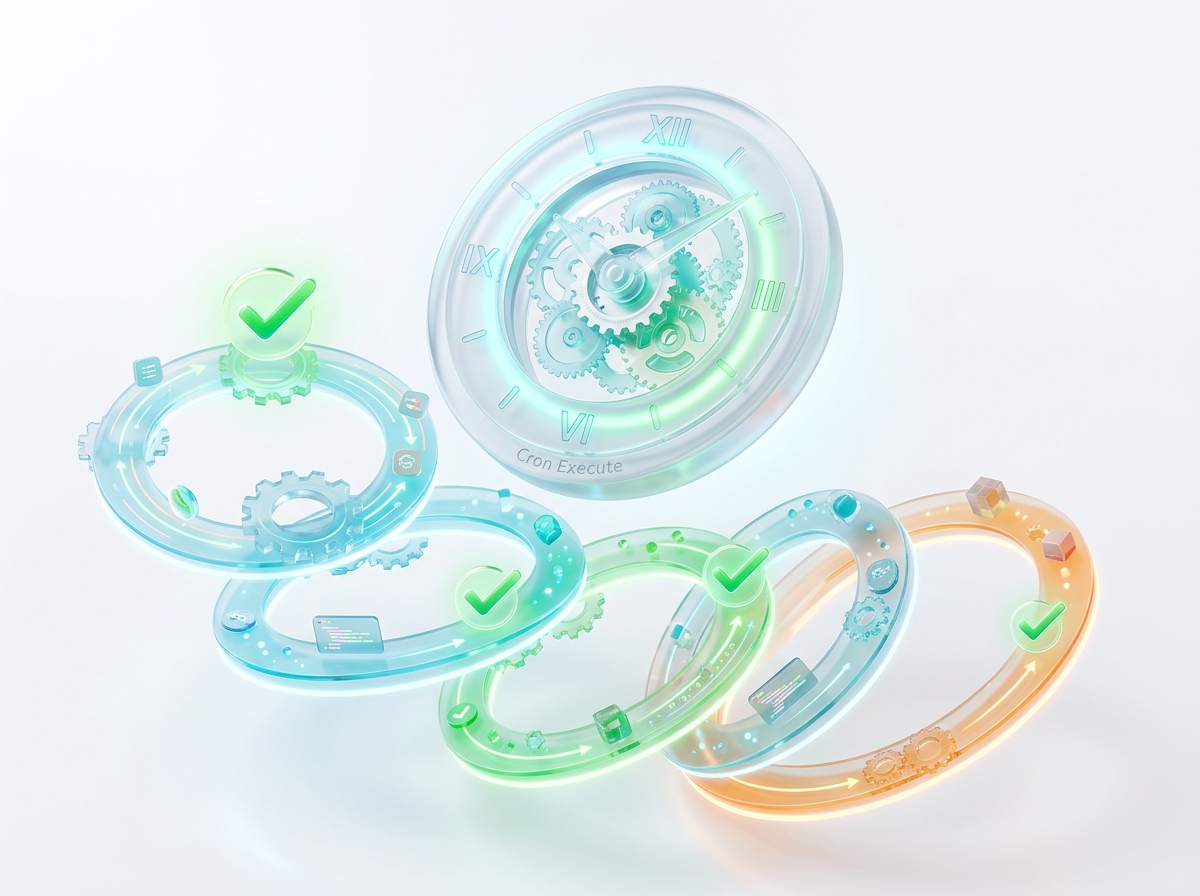
- Prevent Silent Failures with Cron Rabbit: Critical data synchronization, backup runs, and cleanup scripts often fail silently in the background. Cron Rabbit utilizes simple curl pings to alert you the instant a cron job misses its execution window, preventing silent compounding failures.
- Avoid Preventable Outages with Certificate Guardian & Domain Audit HQ: Expired SSL certificates or overlooked domain registration renewals can bring down an entire service instantly. Proactive monitoring ensures these administrative failures never threaten your MTD.
- Monitor Vendor Dependencies with CloudStatusHQ: Modern architectures rely heavily on third-party SaaS. If a critical vendor experiences an outage, it directly impacts your uptime. CloudStatusHQ aggregates multi-vendor status data, giving your SRE team instant visibility into third-party failures.
- Communicate Instantly via Status Navigator: During a major incident, communication is key. Custom-branded status pages keep stakeholders and users updated in real-time, reducing support ticket volume and allowing engineers to focus on bringing systems back online before MTD limits are breached.
Source Link
news.google.com