T-Mobile's Nationwide Outage: The SRE Playbook for Managing Cascading Dependency Failures
A major nationwide outage recently left thousands of T-Mobile users without service, disrupting mobile communications, SMS gateways, and critical emergency services. For Site Reliability Engineers (SREs) and DevOps teams, a massive carrier outage is a stark reminder: your application is only as reliable as its deepest third-party dependency.
When a cellular giant like T-Mobile goes down, the impact cascades far beyond individual cell phones. Businesses experience:
- MFA Failures: SMS-based Multi-Factor Authentication codes fail to deliver, locking out users.
- IoT Disconnects: Smart devices and remote hardware relying on cellular backhauls lose telemetry.
- Support Spikes: Frustrated customers flood your support queue, thinking your application is broken when the root cause is actually carrier infrastructure.
How SREs Alleviate Downstream Chaos
To build resilient operations, engineering teams must proactively monitor their external ecosystems and communicate status changes dynamically.
-
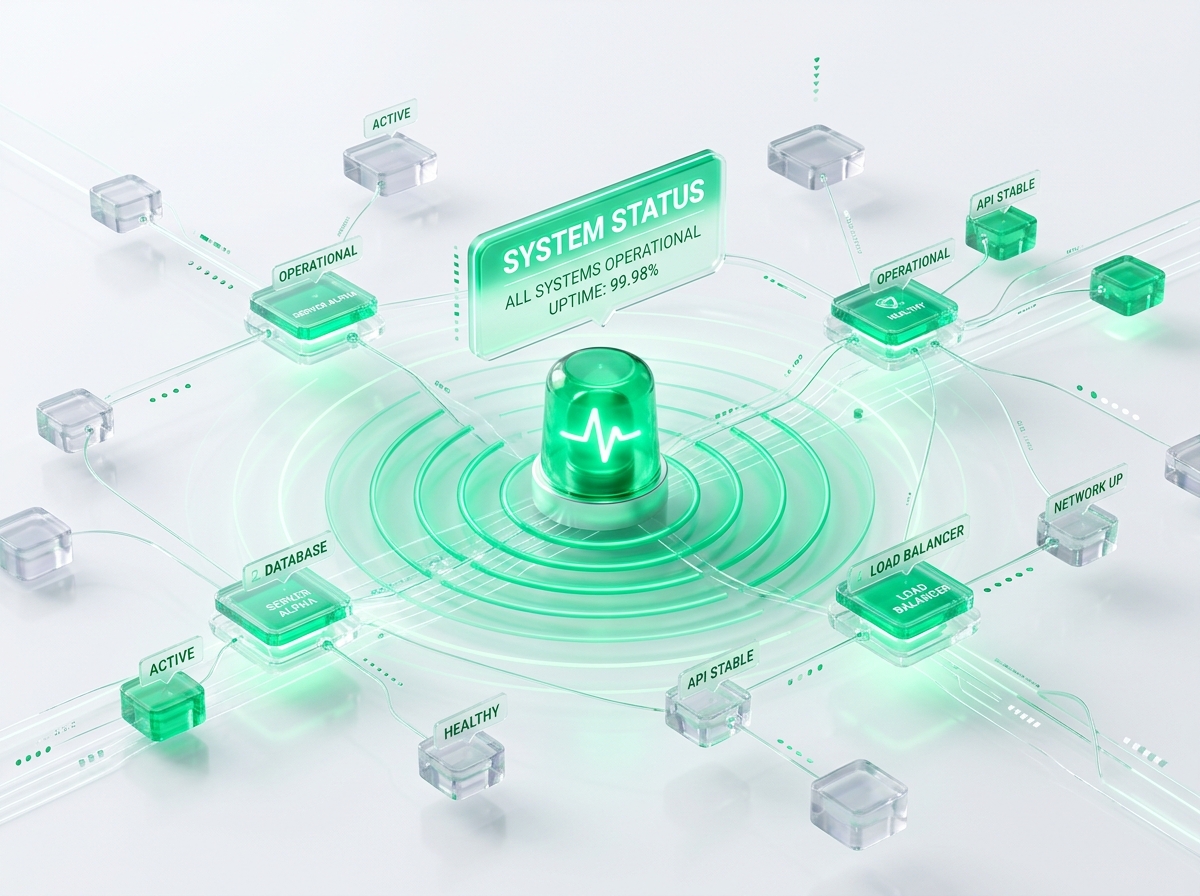
Aggregating Vendor Health with CloudStatusHQ Instead of manually checking individual status pages or waiting for support tickets to pile up, modern teams use CloudStatusHQ. By aggregating the real-time health of SaaS, PaaS, and major telecom gateways, you get instant visibility into upstream issues. When a carrier or critical API provider fails, your SRE team is notified immediately, allowing you to route traffic to alternative fallbacks (like switching SMS delivery to backup providers).
-
Deflecting Support Tickets with Status Navigator During an external outage, transparency is your best defense. With Status Navigator, you can spin up custom-branded status pages that keep your users updated. By instantly posting downstream dependency impacts to your status page, you reassure clients that your SRE team is actively monitoring the vendor issue—greatly reducing support desk overhead.
Building resilient infrastructure means planning for failures outside your direct control. Keep your engineering teams informed and your customers reassured with Rabbit SaaS.
Source Link
news.google.com