The Modern Web is a CDN: Managing Third-Party Edge Dependencies
The internet is no longer a collection of centralized origin servers. According to a recent analysis by CircleID, the modern web has essentially become one massive, distributed Content Delivery Network (CDN). While caching, edge compute, and global distribution have dramatically decreased latency, they have introduced a complex web of external dependencies.
When your application relies on platforms like Cloudflare, Fastly, Akamai, or AWS CloudFront to deliver critical assets and API endpoints, a single edge outage can render your entire platform unavailable to users.
The SRE Challenge: Monitoring What You Do Not Own
Traditionally, SREs focused on monitoring internal infrastructure—database load, CPU utilization, and microservice latency. In a CDN-dominated web, however, the primary point of failure often lies outside your virtual private cloud (VPC). If your CDN provider experiences a routing issue, your users experience downtime, even if your origin servers are perfectly healthy.
To mitigate these risks, modern DevOps teams must implement proactive dependency tracking and incident communication strategies:
- Third-Party Dependency Mapping: Maintain real-time visibility into the operational health of your CDN, DNS, and edge providers.
- Graceful Failover & Communication: When a global CDN suffers an outage, instantly communicate status updates to users without relying on the failing infrastructure itself.
- Proactive Edge Verification: Keep a close eye on the DNS routing records and SSL/TLS certificates that bind your domains to your edge providers.
How Rabbit SaaS Keeps You Resilient
At Rabbit SaaS, we design tools specifically built for this highly distributed landscape:
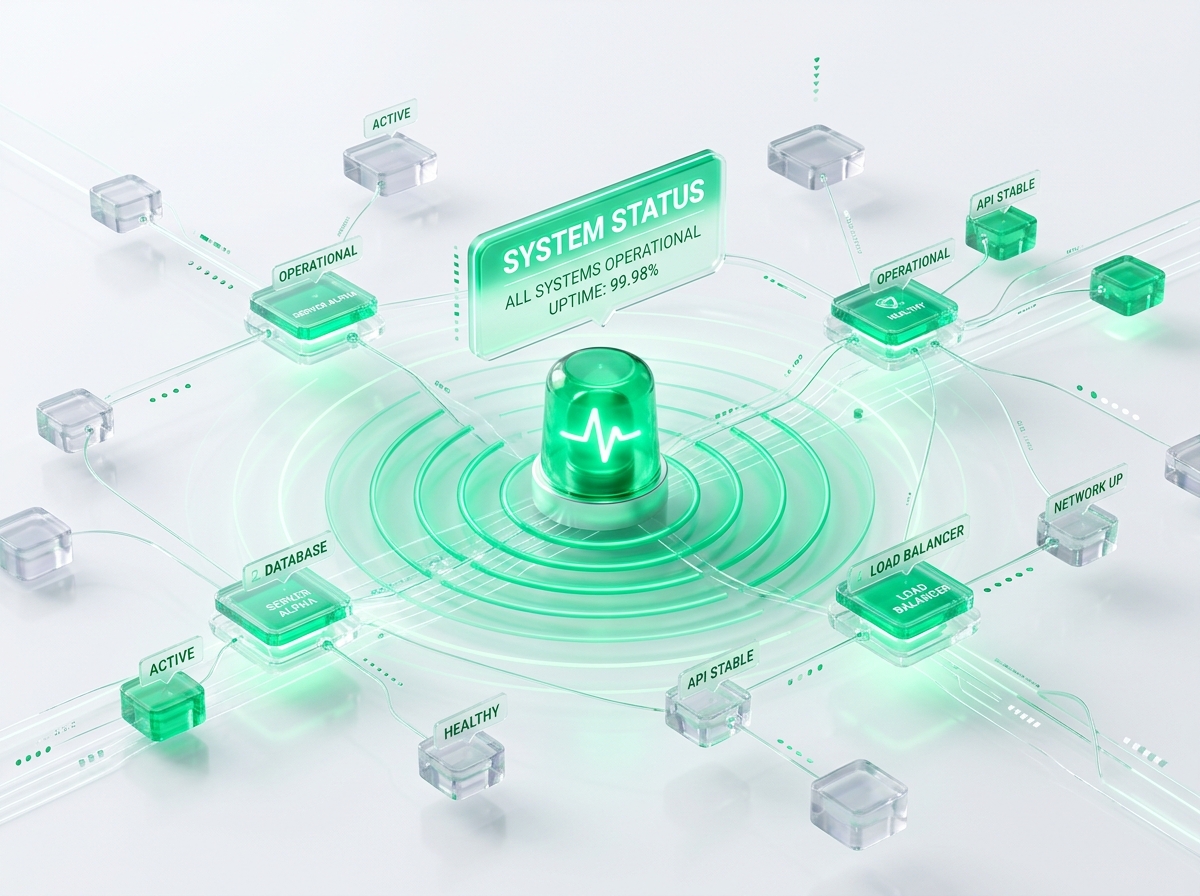
- CloudStatusHQ: Our third-party vendor health aggregator monitors the real-time status of major CDNs, DNS hosts, and cloud providers. Instead of waiting for user complaints during an edge outage, CloudStatusHQ alerts your team the moment your CDN provider experiences latency, routing anomalies, or regional packet loss.
- Status Navigator: When edge networks degrade, hosting your status page on a completely decoupled, custom-branded platform ensures you can still communicate with your customers. Status Navigator operates independently of your primary app infrastructure, staying online even if your primary CDN goes dark.
- Domain Audit HQ: Monitors your external DNS records, CNAME chains, and global routing configurations to ensure your assets are always securely pointing to the correct CDN endpoints.
Source Link
news.google.com